
Deadwave
ChillSeekersLifestyle
3.799.00 Reviews
- Version
- 1.4.2
- Installs
- 10.00K
- Age Rating
- Teen
Screenshots
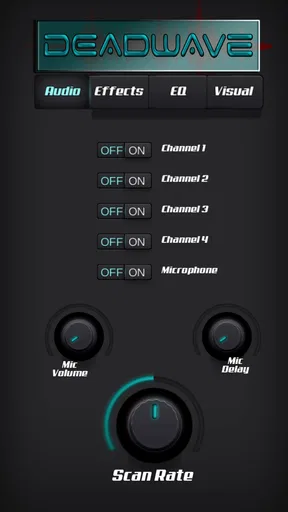
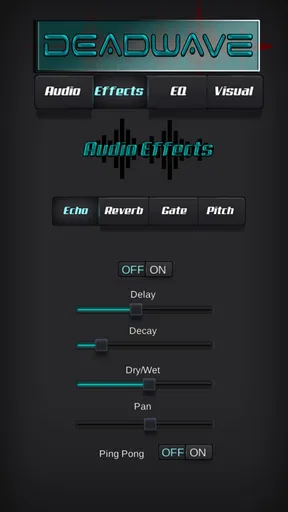
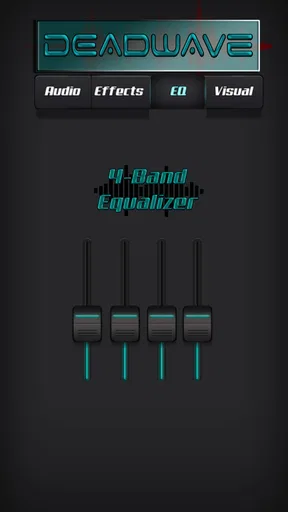
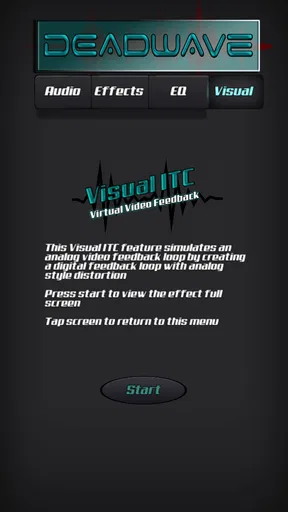
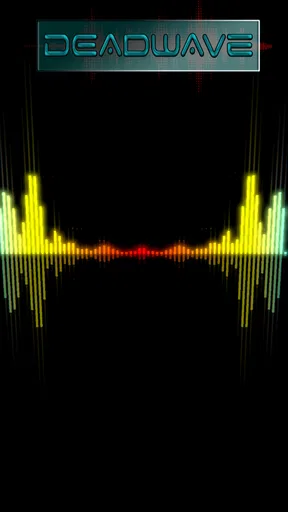
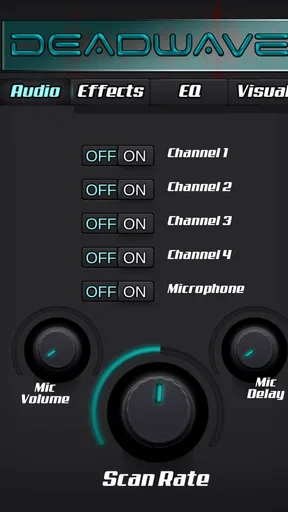
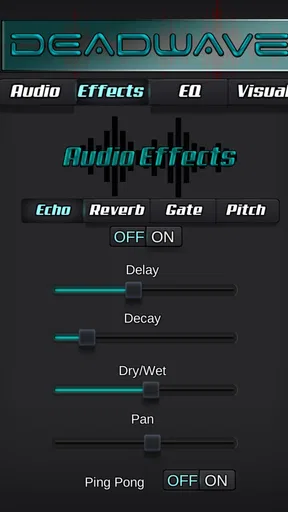
Our Review of Deadwave
 Analysis by Appyee
I treat paranormal apps with a mix of curiosity and caution. They can make a quiet evening feel like an investigation, but an eerie sound is not proof of a spirit. That distinction matters with Deadwave, a paid lifestyle app from ChillSeekers built around EVP-style listening and spirit-box experimentation. I’d approach it as a tool for exploring an idea, not as a device that can verify what is happening beyond the microphone.
Trust starts with keeping expectations grounded
When an app invites you to interpret ambiguous sounds, trust is about more than whether the interface feels polished. I also want to know what choices I can see and control, and I don’t want to mistake an atmospheric experience for evidence. With Deadwave, my first recommendation is simple: decide what you want from a session before you begin. If you are looking for a playful paranormal exercise, it may suit you. If you need a reliable way to establish that a voice came from an external source, this is not the right kind of tool.
That cautious framing also helps when other people are involved. A friend may hear a syllable in a burst of noise while another hears nothing at all. I’d describe those moments as interpretations rather than confirmed messages, especially if someone in the room is anxious or strongly invested in the result. That keeps the activity enjoyable without turning a guess into a claim.
What I would check before a session
Deadwave is listed for Teen users and costs $10.99, so I’d think about both the audience and the purchase before installing it. The app is made by ChillSeekers, has an average rating of 3.7 from 219 ratings, and has 10K+ installs. Those figures suggest that people are trying it, but they don’t settle the bigger question of whether its paranormal premise works. I would use the rating as a rough signal about reception, not as evidence for spirit communication.
I also wouldn’t assume anything about data handling, account controls, or device permissions simply because an app has a focused purpose. Before recording, I’d read the permission prompts shown on my phone and allow only what makes sense for the feature I intend to use. If a prompt or choice feels unclear, I’d pause rather than grant access automatically. That is a sensible habit with any audio app, and particularly useful when a session may capture people talking in the room.
Audio recordings deserve a little care
The option to record a session can be useful for revisiting an interesting sound, but it changes the privacy side of the experience. I’d tell everyone present before recording, keep the phone pointed away from private conversations, and avoid sharing clips that include someone else’s voice without their agreement. If I only want to test the app alone, I’d choose a quiet space and keep the session short enough that reviewing it later stays manageable.
There is also a practical listening trap: once you expect to hear a word, random noise can start to sound like one. To make a replay less suggestive, I’d note the time of a sound without naming what I think it says, then listen again later with a friend who doesn’t know my first interpretation. That won’t prove anything supernatural, but it can reveal how much expectation shapes what we hear. It’s a more honest way to enjoy the experiment than repeatedly replaying a fragment until it seems to confirm a story.
For anyone using the app around younger family members, the Teen rating is worth taking seriously. Spooky audio can be fun for some people and unsettling for others, especially late at night or in a dark room. I’d keep the setting comfortable, make it easy to stop, and avoid presenting the experience as a real threat. That matters more than creating a dramatic atmosphere.
What's the Buzz About?
So, Deadwave positions itself as a ghost box app, basically a tool to communicate with spirits. It’s like having your personal supernatural hotline. You’ve probably seen those ghost hunting shows where they use these cool devices to pick up ghostly chatter. Well, this app lets you do just that, but right from your smartphone. Intrigued yet?
The Interface: Spooky Yet Intuitive
First things first, let’s talk about the interface. Firing up Deadwave, you’re greeted with a sleek, dark-themed design that sets the mood perfectly. Navigating through the app is a breeze. You don’t need to be a tech wizard to figure things out, which is always a plus in my book. The controls are straightforward, making it easy for anyone to jump right into the ghostly action.
Features That Stand Out
Now, onto the features. Deadwave offers multiple channels to allegedly contact spirits, each with different audio frequencies. It’s like tuning into a creepy radio station, hoping to catch some supernatural whispers. The app claims that spirits can manipulate these frequencies to communicate, giving you that authentic ghost hunting experience.
One feature I found particularly interesting is the ability to record sessions. This is super handy because you can replay any potential ghostly encounters and analyze them later. Plus, the app includes some audio filters to help clean up the recordings, which is pretty neat.
A more useful way to test what you hear
If I were trying the channels and filters, I’d change one thing at a time instead of switching settings every few seconds. That makes it easier to tell whether a sound changed because of the channel, the filter, or simply because the background noise shifted. I’d also keep a brief note of the setting and the moment I noticed something. Without that small record, it is easy to remember the striking parts and forget the stretches of silence.
A second practical tip is to keep the room conditions consistent. A fan, television, open window, or nearby conversation can all add sounds that become part of a recording. I’d start with the phone in one place, listen for a short interval, and then make one deliberate adjustment if I want to compare results. This isn’t a scientific test, but it does make the session easier to interpret and prevents every odd sound from being attributed to the app.
There is a trade-off between using filters to make a clip easier to hear and altering the very sound you are trying to judge. I’d listen to the original recording first, then use a filter as a secondary listening aid rather than treating a cleaned-up version as stronger evidence. Noise reduction can make a faint syllable stand out, but it can also make an ambiguous fragment seem more definite than it was.
Does It Really Work?
Alright, let’s get real for a second. Does Deadwave actually let you talk to ghosts? Well, that’s up for debate. For believers, it offers a fascinating way to explore the paranormal. For skeptics, it might just be a fun party trick. Personally, I think it’s all about how much you’re willing to suspend your disbelief. Either way, it’s a unique app that sparks curiosity and, at the very least, provides some entertainment.
Where it fits among paranormal alternatives
Compared with a conventional voice recorder, a ghost-box app gives the session a more directed, eerie format: you can explore different channels and revisit audio rather than simply capture a room. A plain recorder is the better choice if your goal is to document a sound as neutrally as possible, because it avoids framing the listening as spirit communication. Deadwave is more appealing when the process itself—the tuning, the suspense, and the discussion afterward—is part of the fun.
It also differs from watching a paranormal video or listening to a podcast. Those are passive experiences with an edited story; here, you supply the setting and decide what a sound might mean. That makes the session more personal, but it also puts more responsibility on you to question your assumptions. I wouldn’t choose it for a serious investigation where repeatable, independently checked evidence is essential. For a casual themed evening, it has a clearer place.
User Experience: A Mixed Bag
I’ve spent a good chunk of time playing around with Deadwave, and here’s what I can say: the experience can be hit or miss. Some users report eerie interactions that seem too coincidental to ignore, while others find themselves listening to static noise for hours. It’s a bit like fishing — sometimes you catch something, sometimes you don’t. But that unpredictability is part of the thrill, right?
That unpredictability is also the main limitation I’d explain to a friend before they pay for it. If you want consistent, clearly understandable results every time, you may find the experience frustrating. The app’s appeal depends on whether you enjoy interpreting uncertain audio and can accept that a session may produce nothing memorable. A person who dislikes static, wants a conventional audio utility, or expects a dependable answer should skip it.
For a realistic use case, imagine a rainy evening with a couple of friends who enjoy spooky stories. I’d set a time limit, agree that nobody has to participate, record only with everyone’s permission, and take turns listening without announcing interpretations in advance. Afterward, we could compare what each person heard and laugh about the different readings. That uses the app as a conversation starter rather than letting it dominate the evening or frighten someone who would rather stop.
Who should try it—and who should pass
I can see the appeal for paranormal enthusiasts who already understand the difference between an intriguing experience and proof, as well as for friends looking for an interactive way to build a spooky atmosphere. The recording and filtering workflow gives curious listeners something to revisit and discuss. It is less suited to people who are sensitive to frightening themes, want a polished factual explanation for every sound, or need an app whose main purpose is ordinary voice recording.
The price is another reason to be selective. At $10.99, it makes more sense for someone who expects to return to the activity than for a person who is merely curious for five minutes. I’d first ask myself whether I enjoy the process even when no convincing sound appears. If the answer is no, a free story, a standard recorder, or a paranormal video may be a better fit for that mood.
Should You Download It?
If you’re someone who’s fascinated by the paranormal or just looking for a unique app to spice up your phone, Deadwave is definitely worth a shot. It’s not every day you come across an app that promises to connect you with the other side. Whether you’re a believer or a skeptic, it’s a fun way to explore the unexplained.
Before deciding, I’d also consider the app’s version and device compatibility: it is currently version 1.4.2 and requires Android 5.1 or later. That makes the basic platform threshold clear for Android users, though compatibility alone doesn’t tell you whether the experience will suit your expectations. I’d treat the purchase as paying for a particular style of paranormal play, not for a guaranteed result.
So, if you’re ready to embark on your own ghostly adventure, Deadwave is just a download away. Who knows, you might just end up with a chilling story to tell.
Happy ghost hunting!
My cautious verdict
For me, Deadwave is best understood as a playful, suspenseful audio experiment, with enough controls to make repeated listening interesting but not enough certainty to settle what a sound means. I like the idea of recording and revisiting a moment, provided I keep the original clip in view and respect other people’s privacy. I would not recommend it as evidence of contact or as a replacement for a straightforward recorder.
If you’re comfortable with that boundary, enjoy paranormal themes, and are happy to pay for an experience that may yield only static, it could be a memorable addition to a spooky evening. If you need clear answers, want a neutral recording tool, or would feel uneasy interpreting unexplained sounds, I’d choose something else. That’s the fairest way I can recommend it: curiosity is welcome, but confidence should be earned rather than supplied by the atmosphere.
Verdict
Strengths of Deadwave
- User-friendly interface for easy navigation.
- Wide range of ghost detection tools.
- Customizable settings for personal preference.
- Includes a built-in audio recorder.
- Visually appealing graphics and design.
Limitations of Deadwave
- May drain battery quickly during use.
- Requires internet for full functionality.
- Ads can be intrusive at times.
- Some features need in-app purchases.
- Limited language support available.
Other Releases by ChillSeekers
View All


Similar Picks in This Category
View All
SmartThings
Samsung Electronics Co., Ltd.4.6

Google Home
Google LLC4.0

Pinterest4.2

Astrotalk - Talk to Astrologer
Astrology & Horoscope4.7

My Verizon
Verizon Consumer Group4.5

Samsung Wallet (Samsung Pay)
Samsung Electronics Co., Ltd.4.1
Frequently Asked Questions
What is the main objective of Deadwave?
Deadwave is a thrilling horror game designed to immerse players in a mysterious and eerie environment. The main objective is to explore haunted locations, solve puzzles, and uncover hidden secrets while avoiding supernatural threats. Players must use their wits and resources to survive and escape the haunted settings.
Is Deadwave suitable for all age groups?
Deadwave is primarily intended for mature audiences due to its intense horror themes, graphic content, and jump scares. It may not be suitable for young children or those easily frightened. The game’s developers recommend players be at least 17 years old to fully understand and enjoy the immersive experience.
What are the system requirements for Deadwave?
For Android users, Deadwave requires Android version 6.0 or higher, with at least 2GB of RAM for optimal performance. iOS users will need iOS 11.0 or later and an iPhone 6s or newer. Ensure your device has sufficient storage, as the game may be bulky due to detailed graphics and sound files.
Does Deadwave offer multiplayer or co-op modes?
Currently, Deadwave is a single-player experience designed to maximize tension and immersion. While it does not offer multiplayer or co-op modes, players can share their gameplay experiences and strategies online. The developers are open to feedback and may consider adding multiplayer features in future updates.
Are in-app purchases necessary to progress in Deadwave?
While Deadwave is free to download, it offers in-app purchases that provide additional content, cosmetic items, and hints. However, these purchases are not necessary to complete the game. Players can enjoy the full storyline and challenges without spending money, although purchasing items may enhance the experience.
